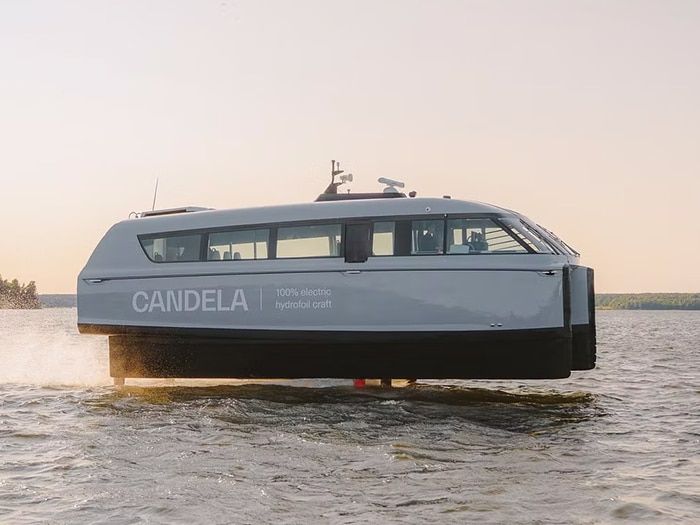
 Photo: Candela
Candela
- Built in
- Sweden
- Founded
- 2014
- Example
- P-12 passenger ferry
Forty years on the water, a lot of carbon and prepreg, and one simple lesson about connecting the Inner and Outer Banks.
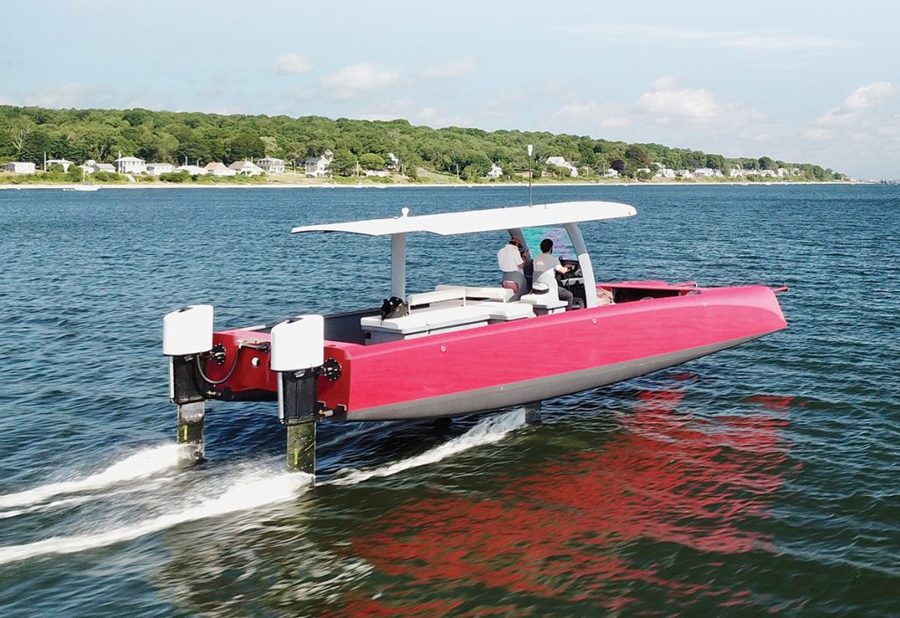 Goetz Red Foiling Boat, a U.S.-built electric foiling test boat. Photo: Goetz Composites
 By Jay Phillips, Founder, PamliEcoConnect · September 2026
Dare County's leadership has made it clear that keeping NC-12 open is a top priority. In his recent video message, the Chairman of the Dare County Board of Commissioners laid out the plan: fix the hot spots and bring in a consulting firm to guide the work. That effort deserves our support, and I respect the people carrying it.
I'd like to add one more idea to the conversation, and I offer it with humility and respect. NC-12 will always sit on a very skinny sliver of barrier island. Fixing the hot spots will help for a while, but any brush with a major named storm can open new ones, as we've seen many times before. That's no one's failing. It's the nature of a barrier island. North Carolina's limits on hardened structures along the oceanfront mean the island is left to move the way barrier islands naturally do, and the state is taking a fresh look at that policy now. Whatever comes of that review, Hatteras will keep changing, and a route across the water is one way to keep people connected while it does.
Dr. Laura Moore, a professor of Earth, Marine and Environmental Sciences at UNC-Chapel Hill who studies how barrier islands change, put it this way after homes collapsed in Rodanthe and Buxton: “If we want the landscape to persist in the long-term, the ideal solution is to adapt with it in some way.” I think that's worth hearing, and PamliEcoConnect is one small way to adapt.
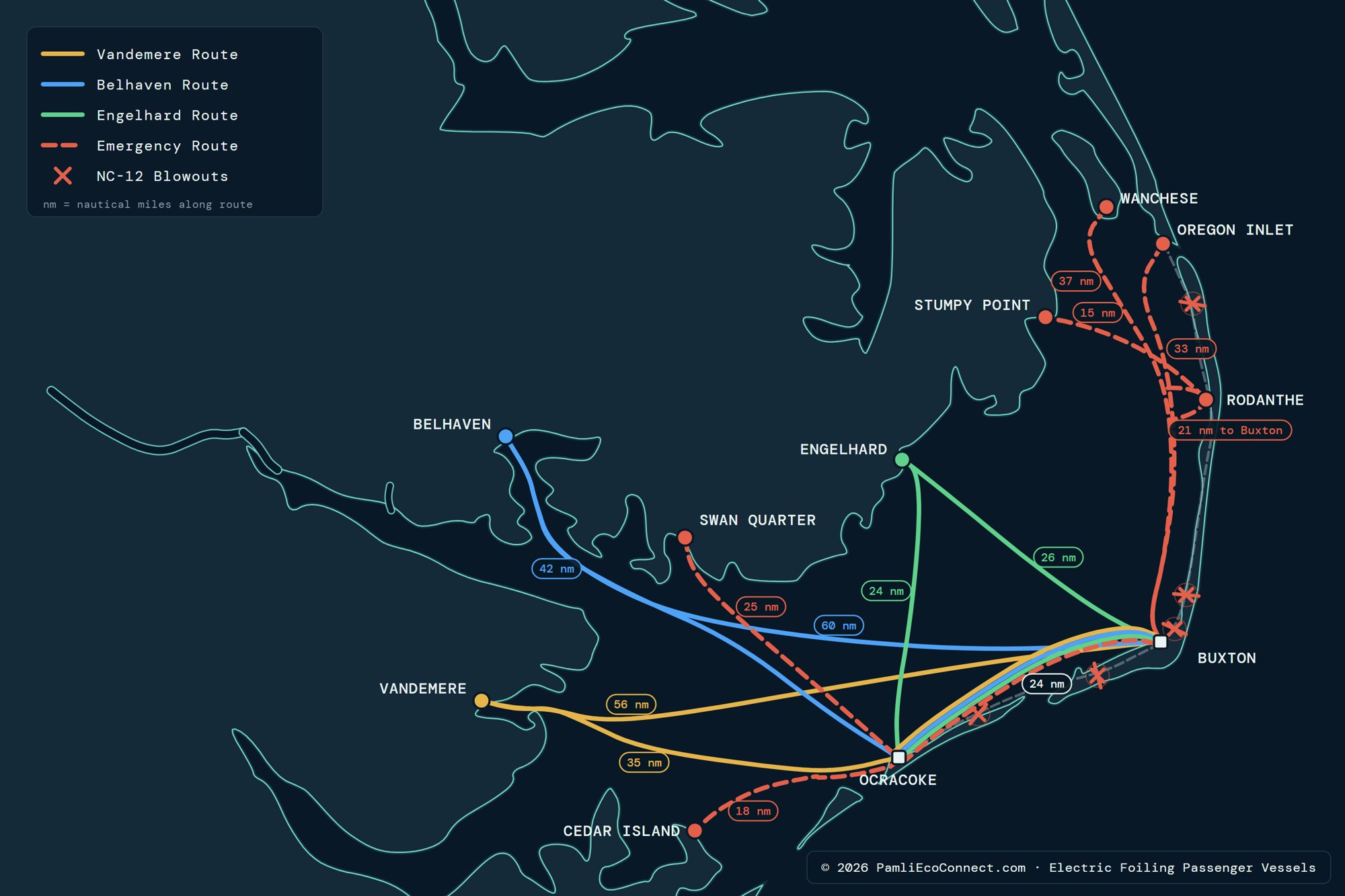
To be clear, this is not a replacement for NC-12, and it is not asking to replace the NC Ferry System either. It's a layer of redundancy, built as a public-private partnership (P3), that gives people a way across the water when the road is cut and serves both Inner and Outer Banks communities the rest of the year. It starts small, it can scale, and we're ready to start the process.
The process itself feeds the economy of Eastern North Carolina: workforce development, cutting-edge technology built here, and a modern answer to the oldest way of getting around these waters, crossing the Sound. Done right, it's safe, comfortable, cost effective, and easy on the environment. The technology is efficient enough that we believe it can operate in the black.
People ask me how I ended up trying to put foiling electric boats on the Pamlico Sound. It's a fair question, and it goes back a long way.
I've been building surfboards, making boats, and fixing boats since I was a kid. I got my Captain's license at 20 and spent the next four decades running charters, tour boats, fishing boats, ferries, 100-foot motoryachts, and 85-foot crewed charter cats. I raced sailboats all over the northern Caribbean, Florida, and Annapolis, worked with Quantum Sails, and later opened my own North Sails loft in Tortola. I've also been through hurricane-level conditions with 50-foot seas in the middle of the Atlantic Ocean.
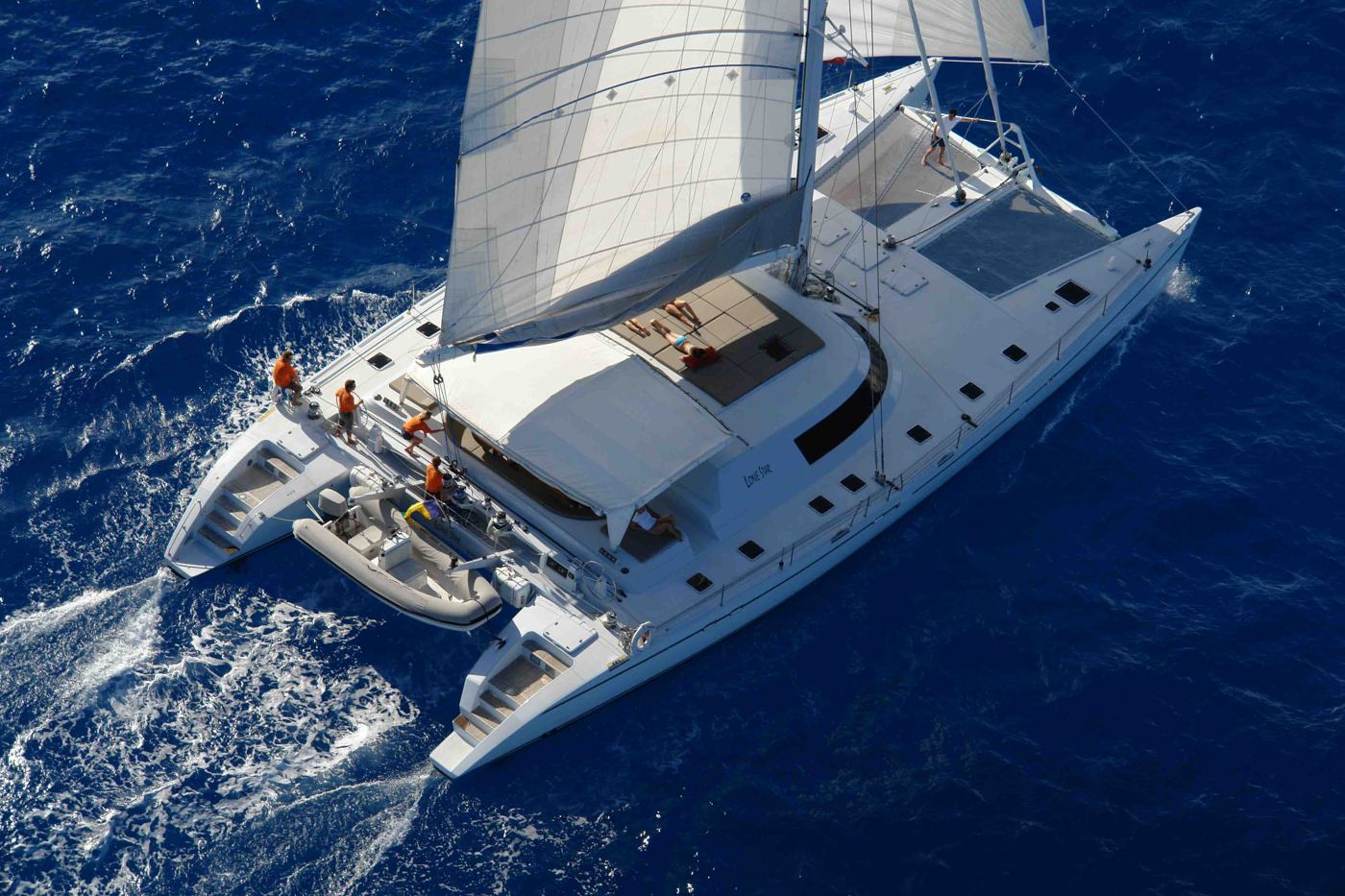
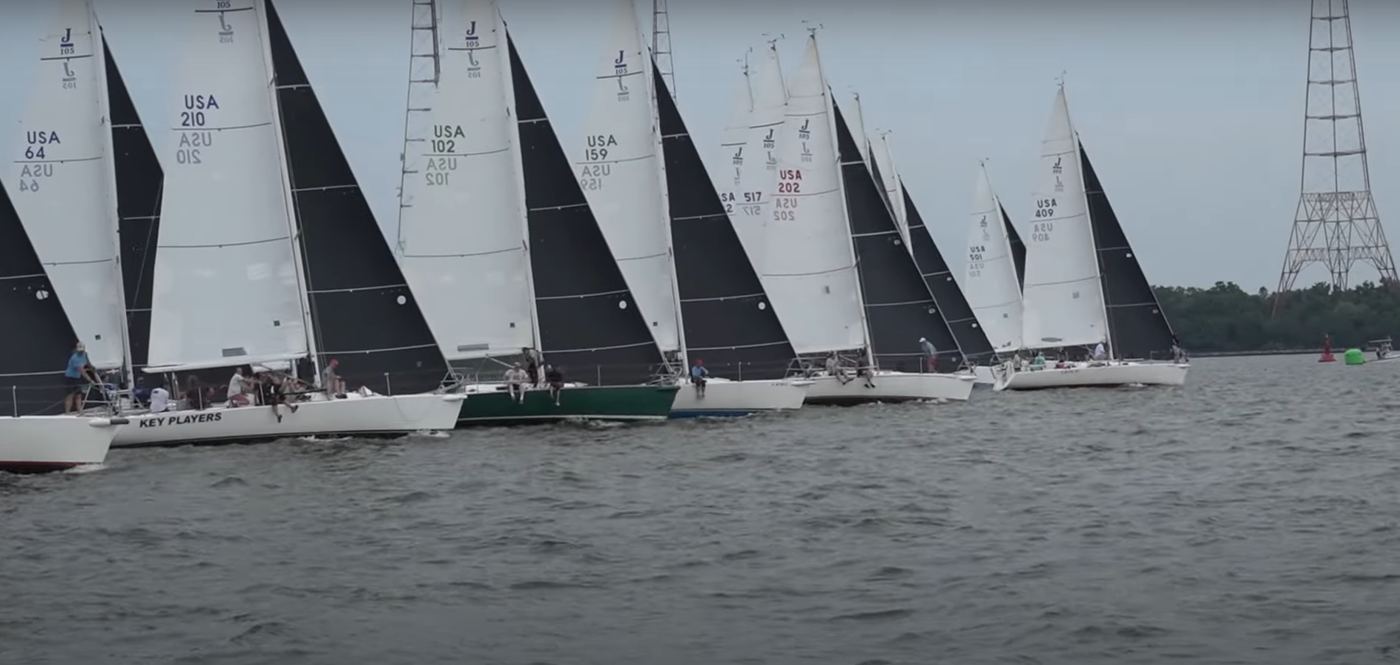
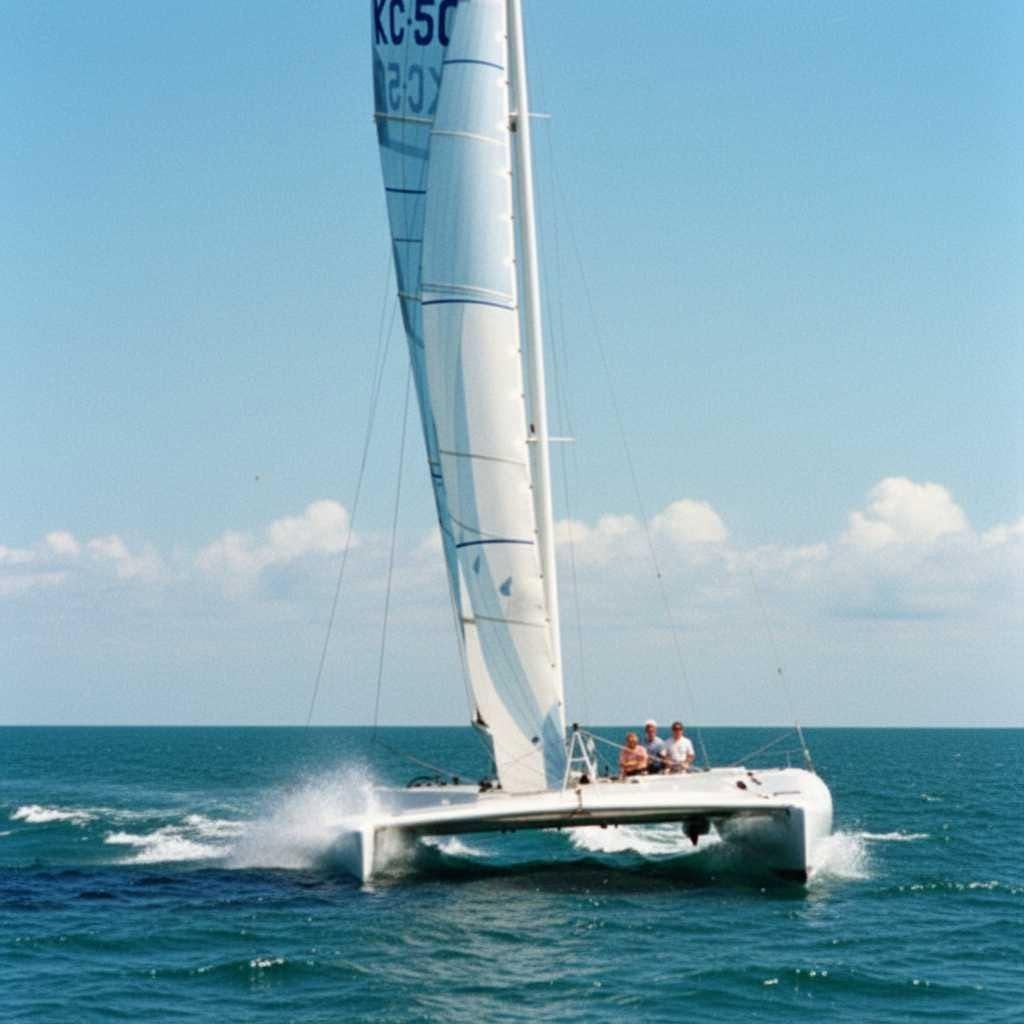
Along the way I ran a factory building prepreg boats and taught the crew how to do it efficiently. Prepreg is cloth that comes with the resin and hardener already in it. It lives in a freezer, gets laid into the mold under strict temperature control, is debulked under vacuum, and then cures at a set temperature.
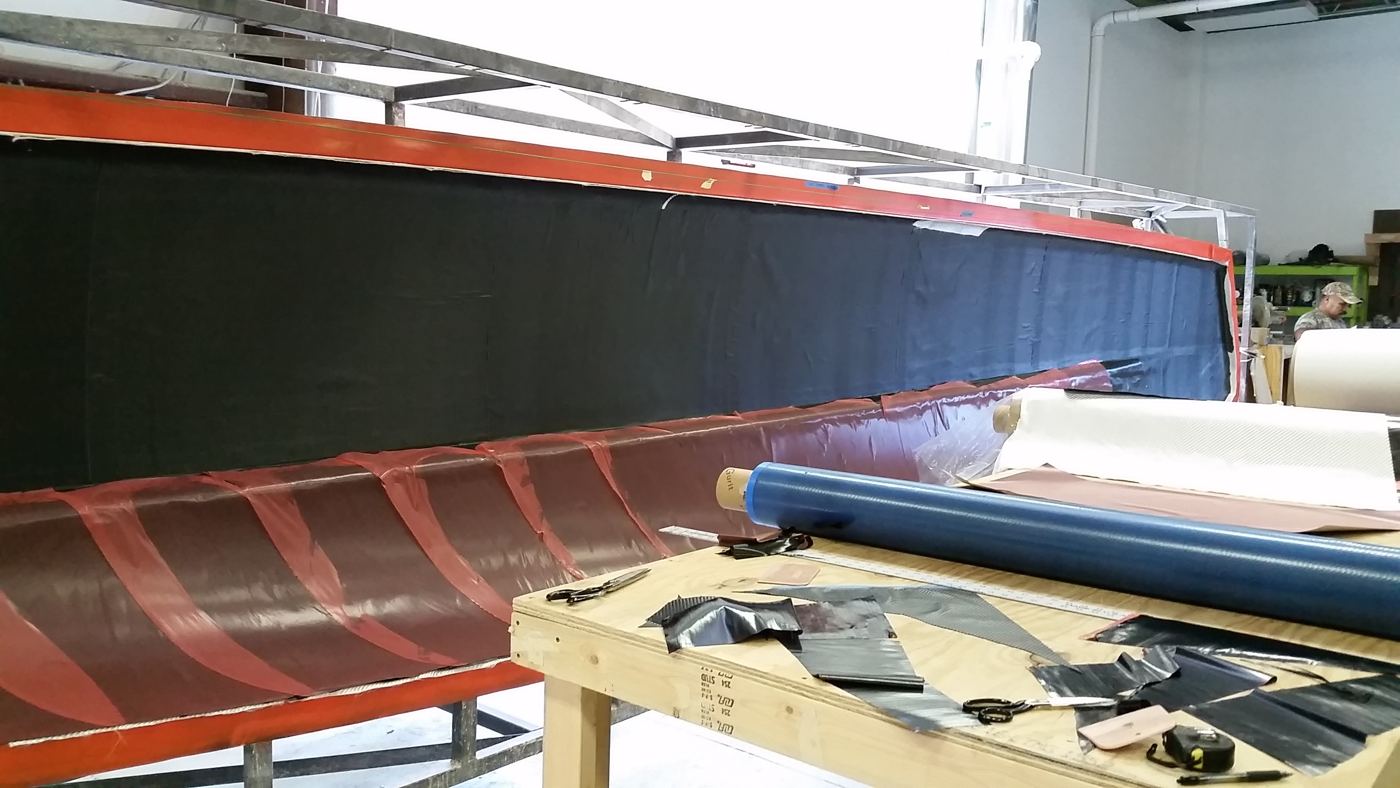
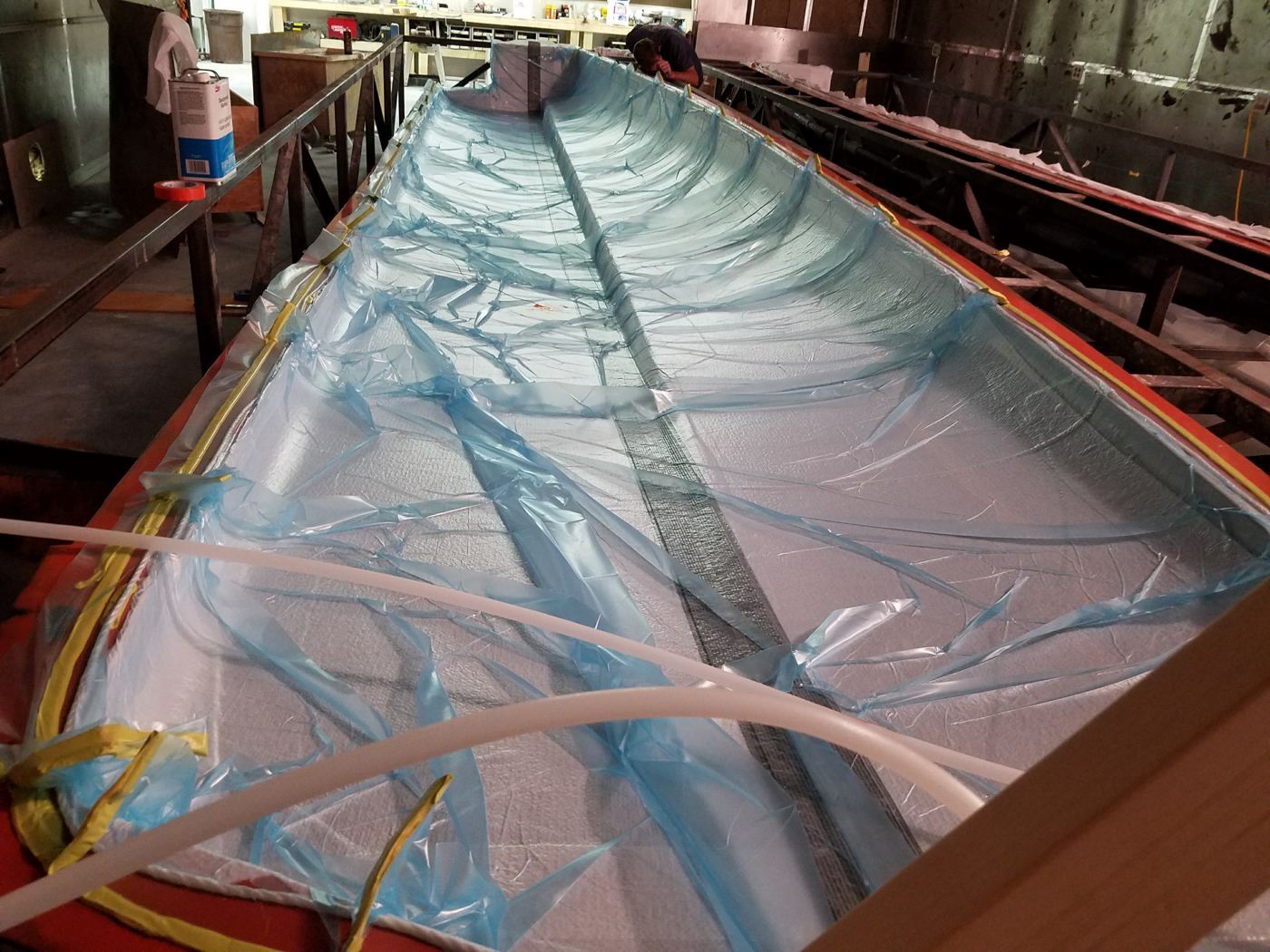
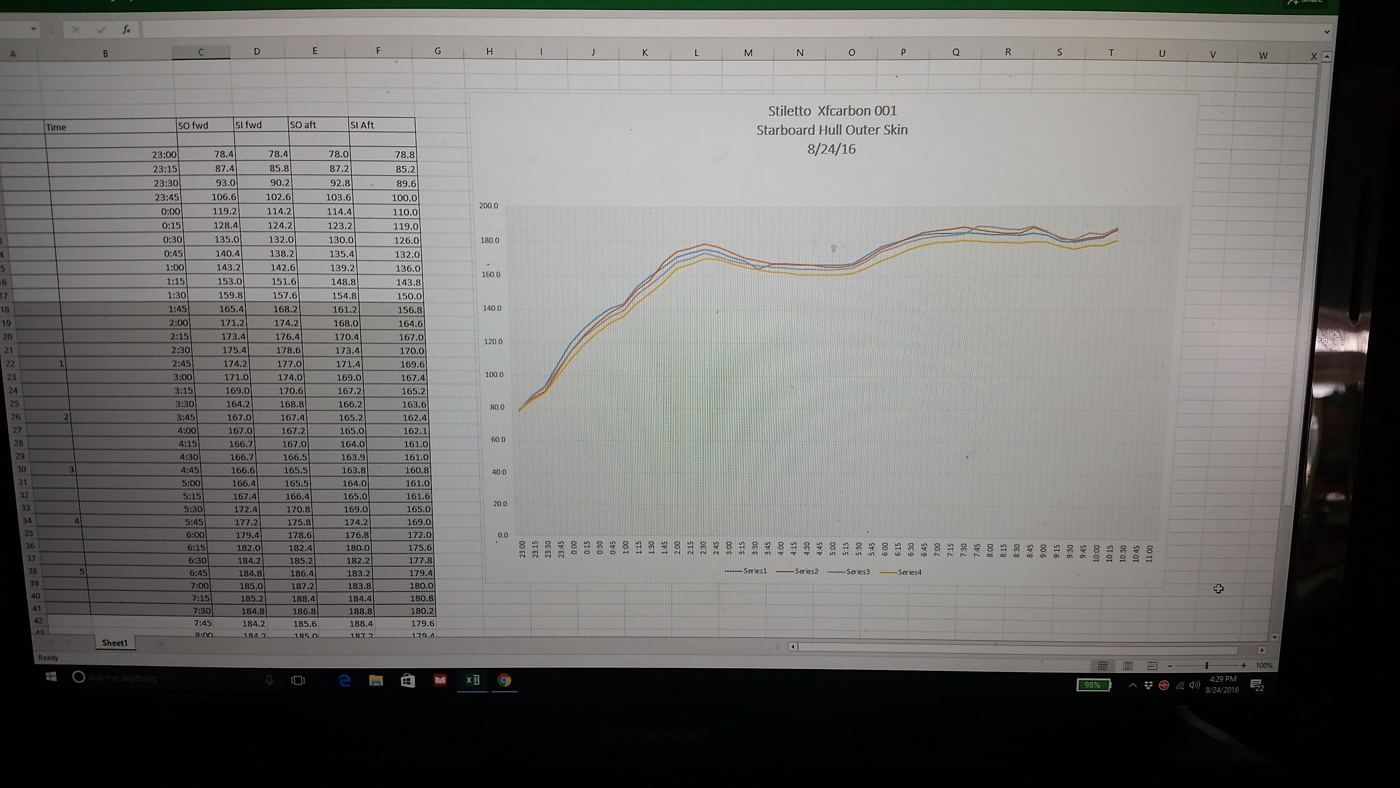
We cured ours at 185 to 200 degrees F and ran the heaters about 12 hours to be sure. Composite aircraft and high-end race car parts are built the same way. Put thin prepreg skins on both sides of Nomex honeycomb core and every cell works like a little I-beam. The result is a very light, very strong structure.
That's how the Stiletto 27s were built in the 1970s, using materials that came out of aerospace. They were cutting-edge boats for their time, and that's why I've been fascinated with them since I ran my first daysail business with one in 1990. Fascinated enough to design and build a new version.
That same technology carried the company's founder, Bill Higgins, from the sailing catamaran business into aerospace composites. He went from Hobie salesman, to founding Force Engineering and building the Stiletto 27, to a successful aerospace manufacturing executive.
Foiling power vessels demand that level of composite technology. It's what I learned building the new Stiletto X Series, and it applies directly to a vessel that is part boat and part aircraft.
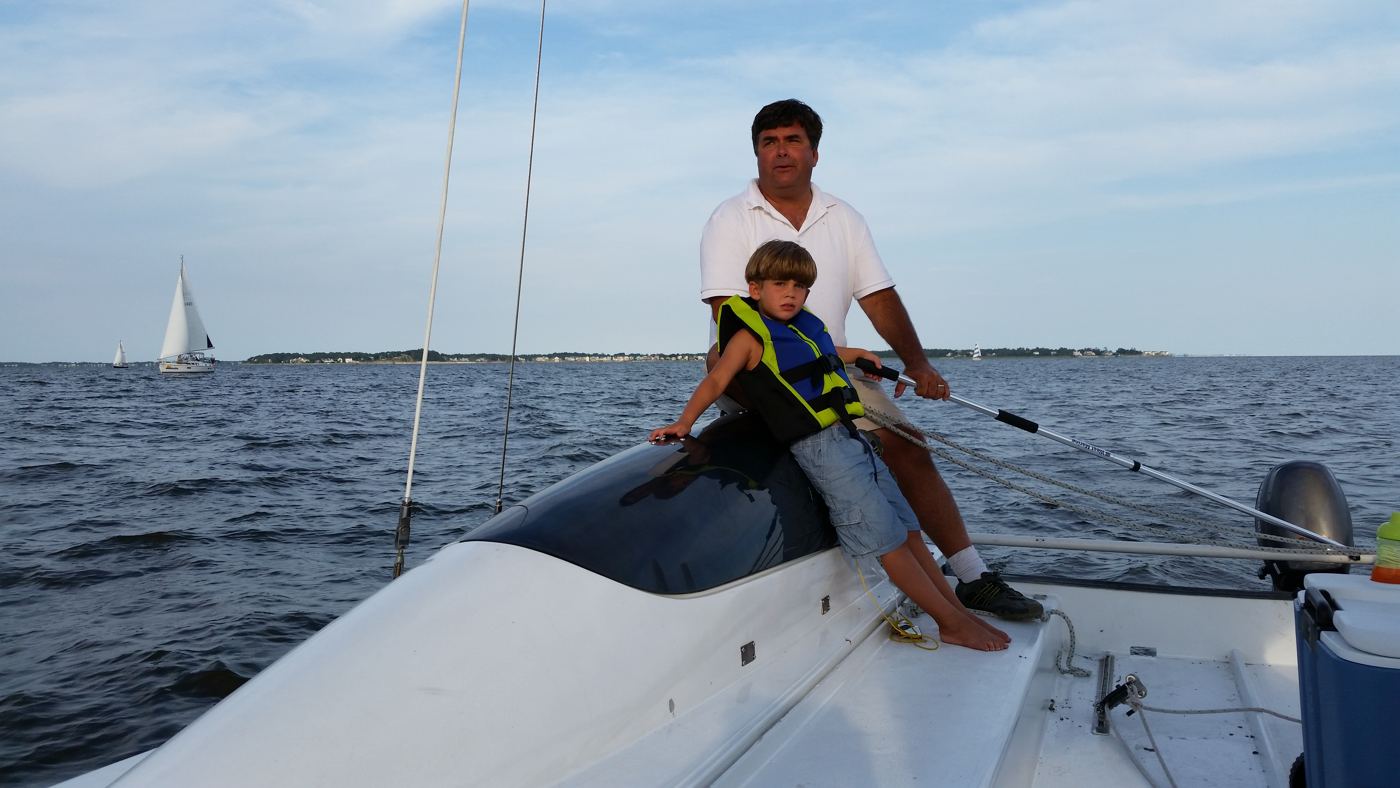
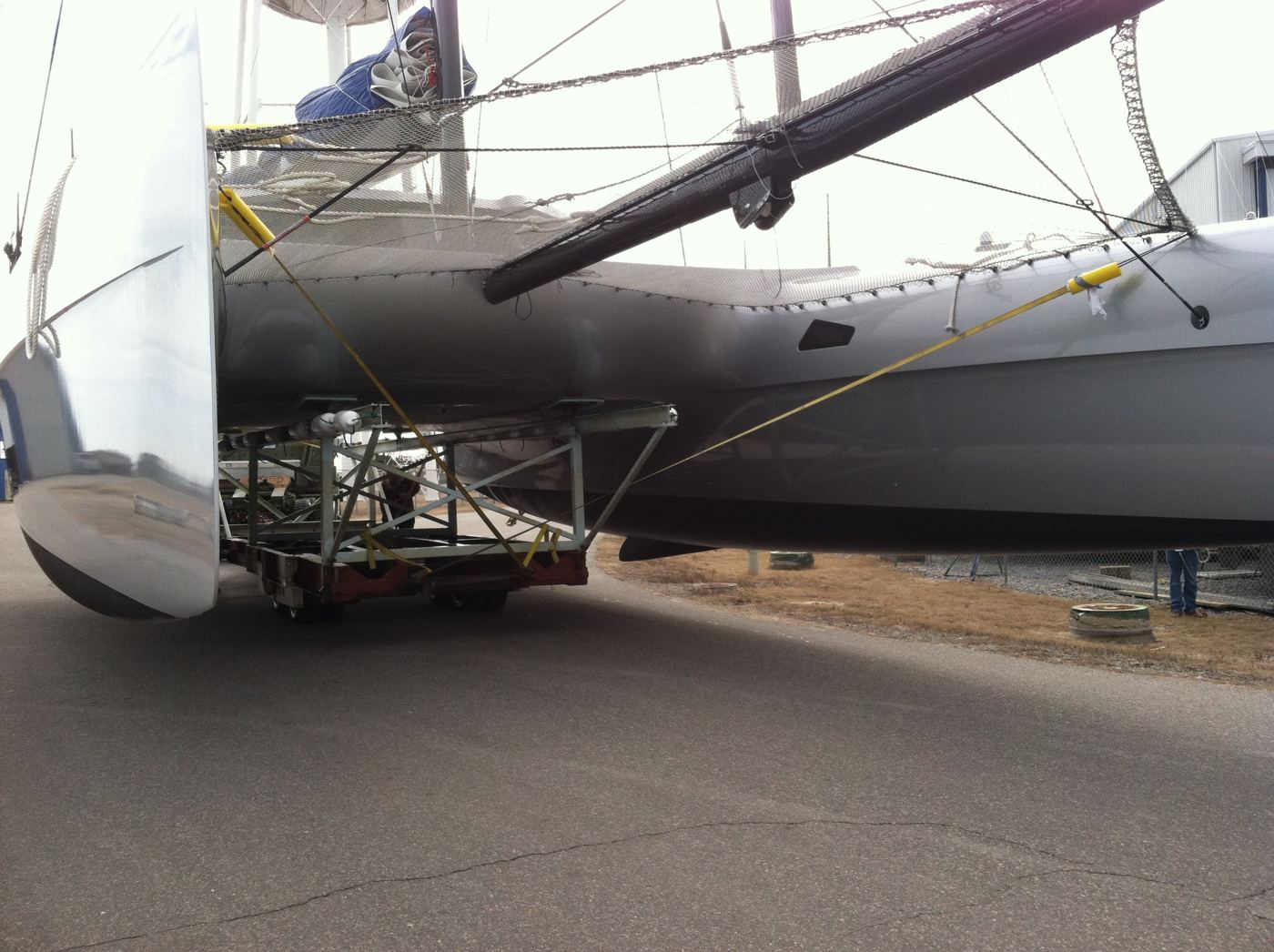
In 2012 I moved to the Outer Banks and joined Peter Johnstone at Gunboat, eventually managing the rigging department. We had nine all-carbon boats on the line, $2M Gunboat 55s with the best composite, electrical, sail, and rigging technology out there. When Gunboat ran into trouble and we parted ways, I took what I'd learned and built a modern version of the old Stiletto, the Stiletto X Series, including a fully carbon foiling version. Hull #1, the boat sitting at Buxton Harbor right now, went to the 2017 Annapolis Boat Show and was nominated for Boat of the Year by three magazines.
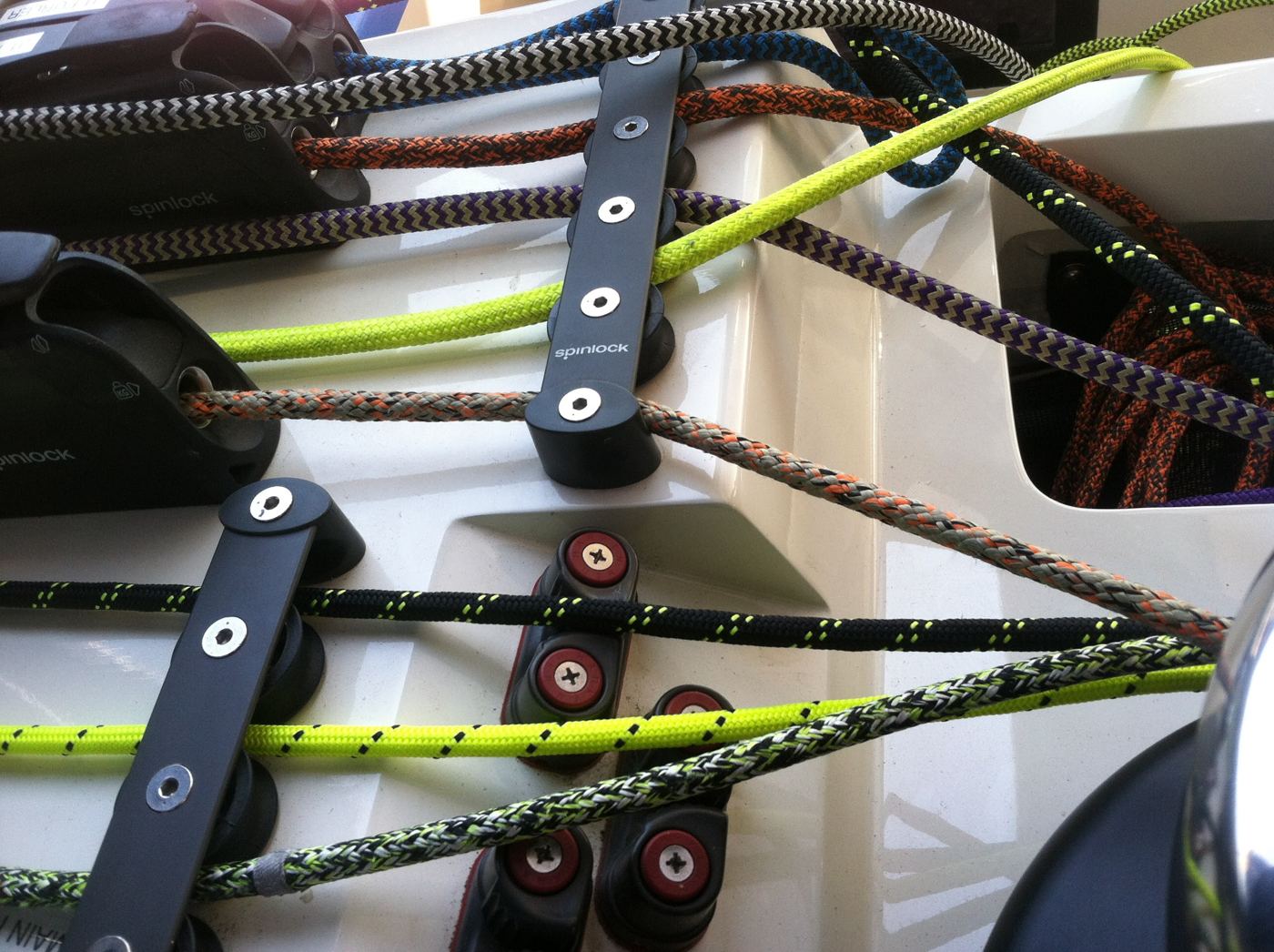
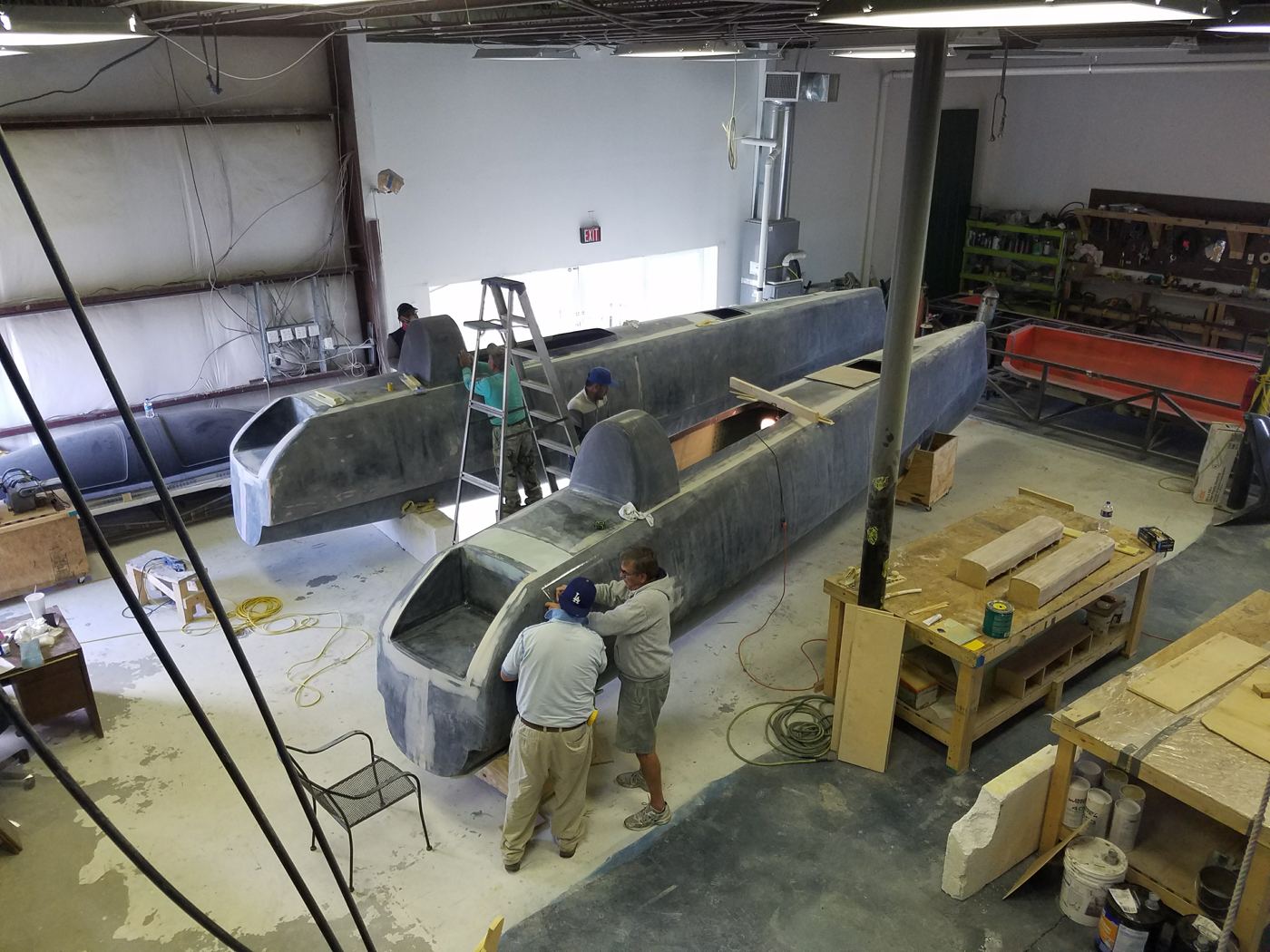
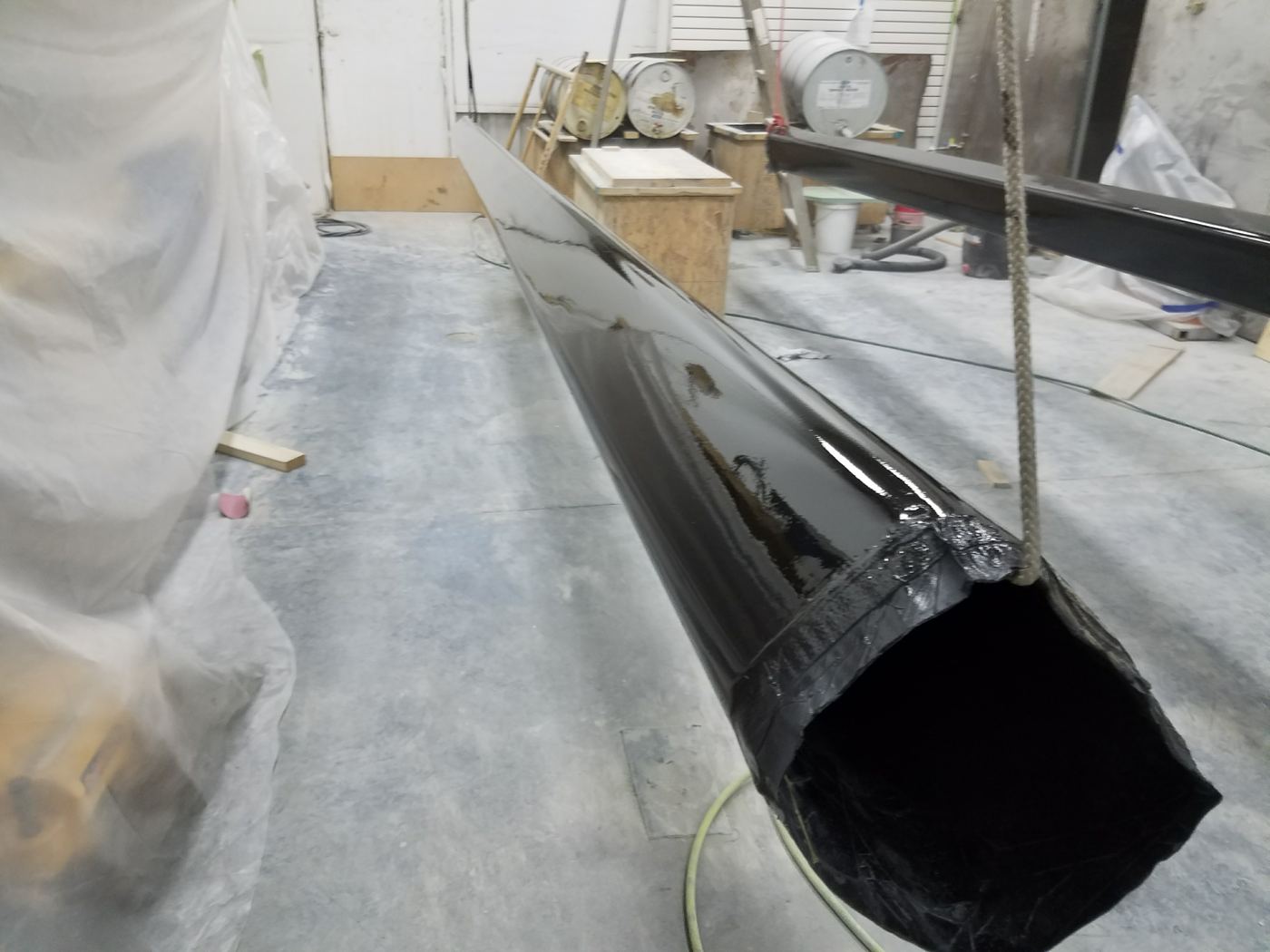
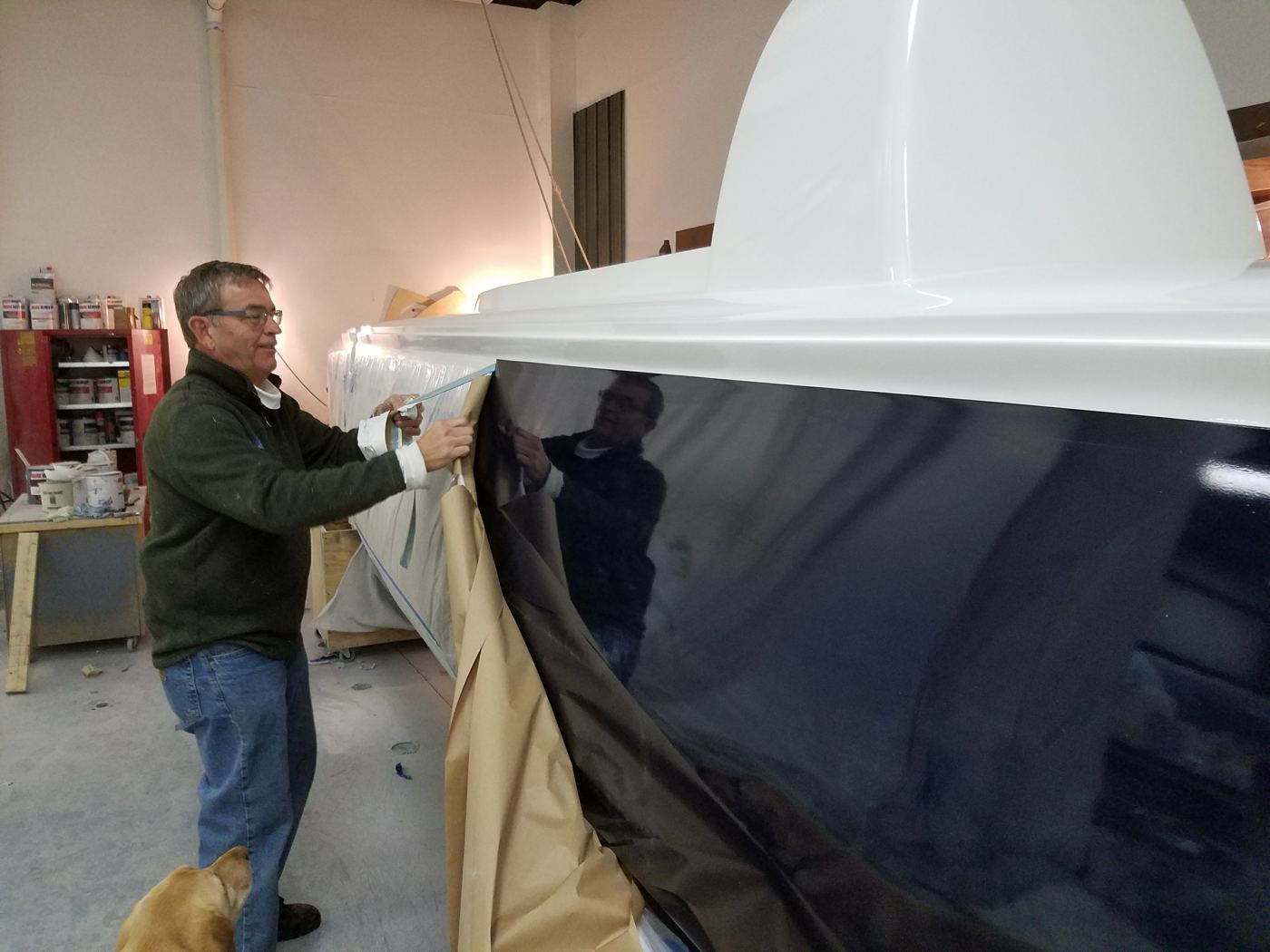
The project taught me an important lesson. While I'm not an engineer, I'm a good project manager who teams with the right engineers and naval architects for the job. But I learned to trust my own instincts alongside the experts, because the experts aren't always right either. Those instincts come from 40 years as a professional mariner. I stopped counting offshore miles somewhere around 100,000. I've spent years as an instructor and coach, and I've made a career out of fixing boats and keeping them running when it counted. Sailmaking and sailboat racing kept me focused on high performance the whole way, always looking for what makes a boat faster, lighter, and more efficient. You learn a lot about what works on the water that way.
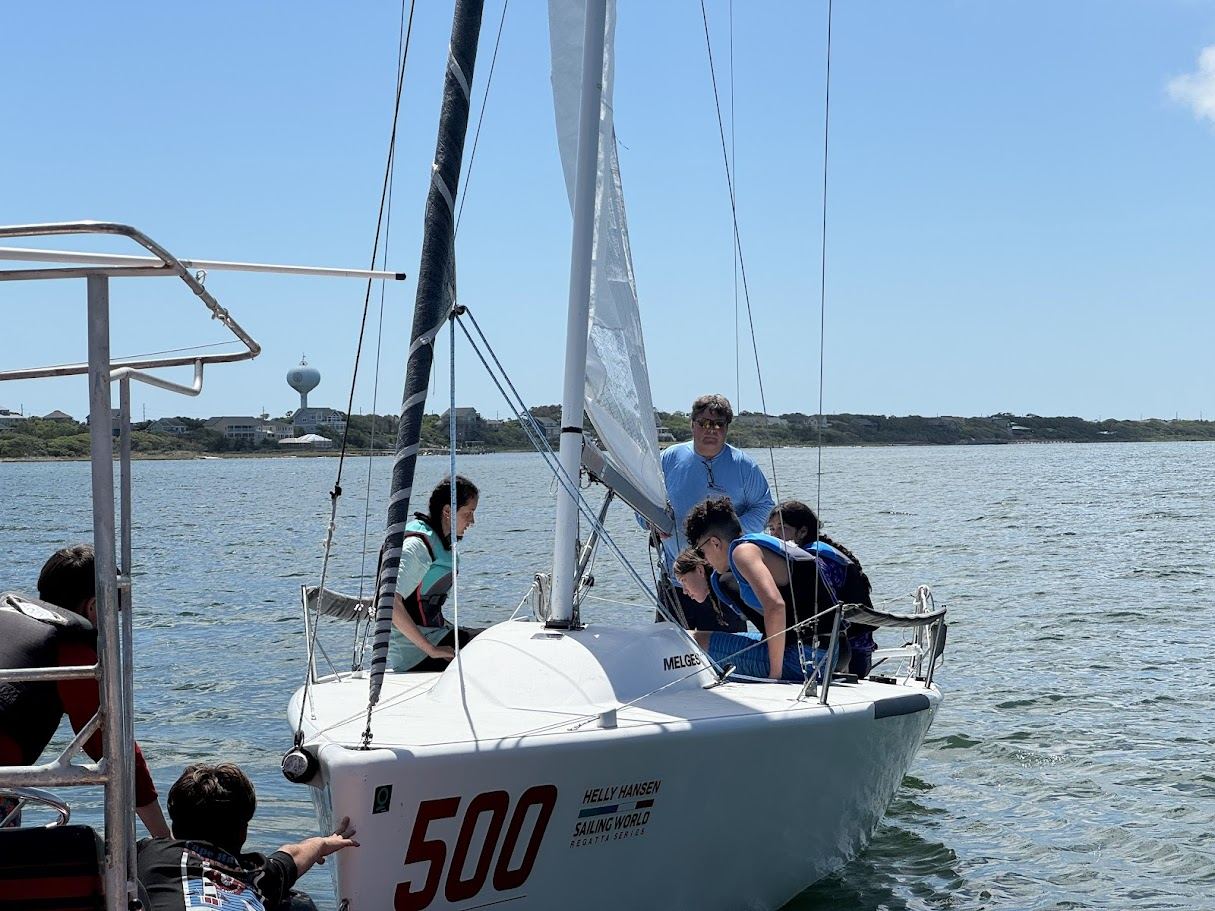
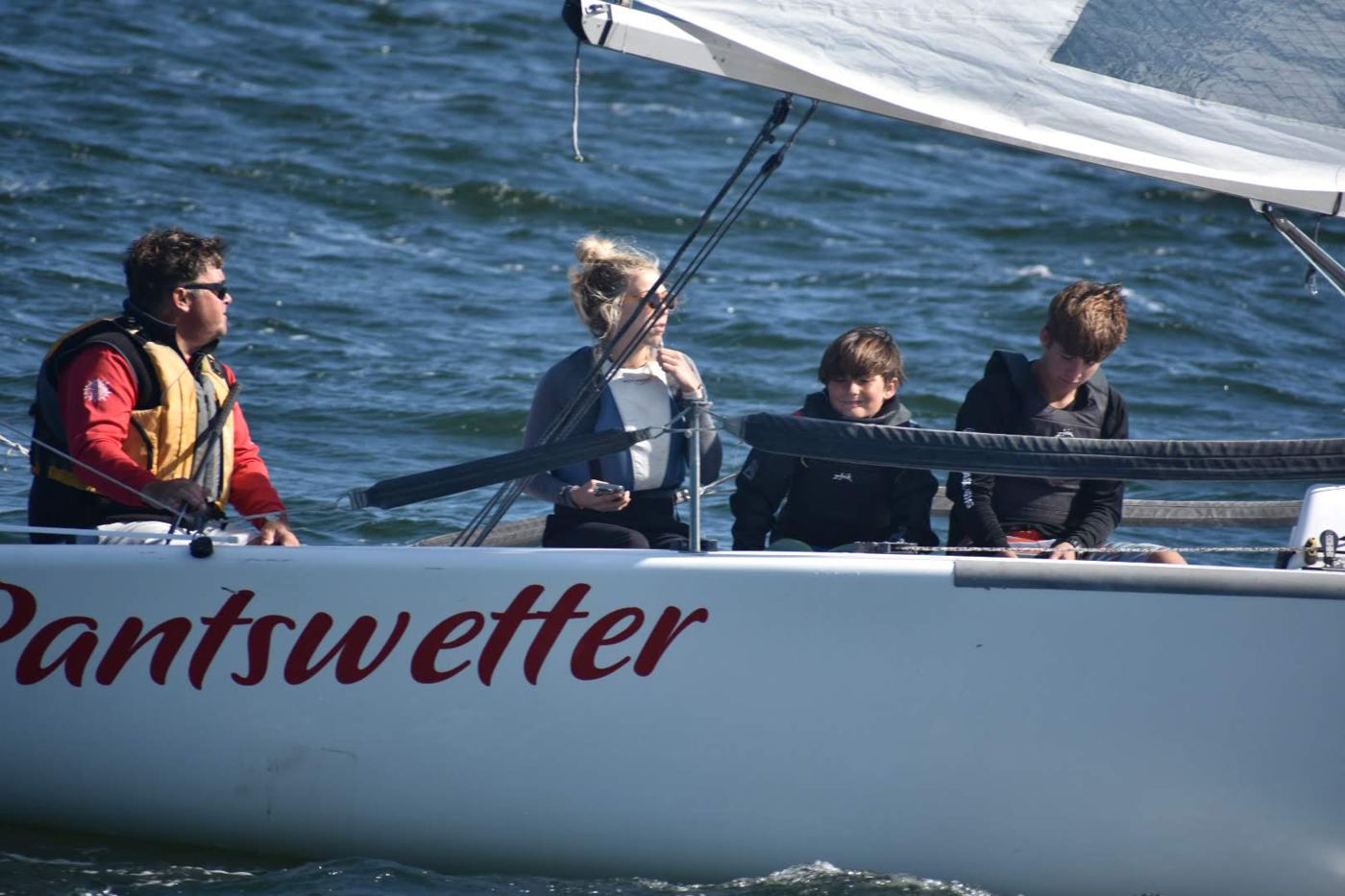
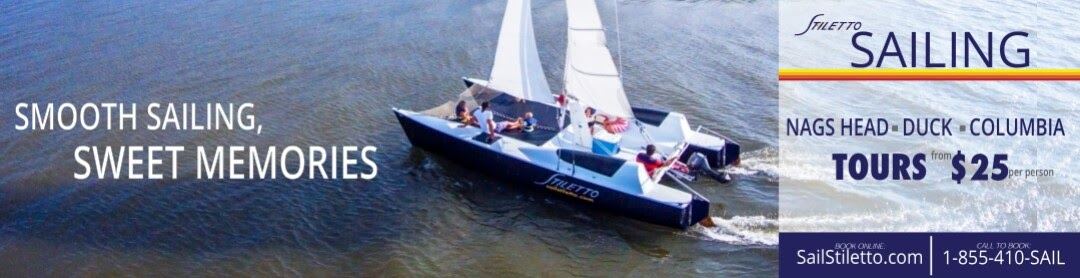
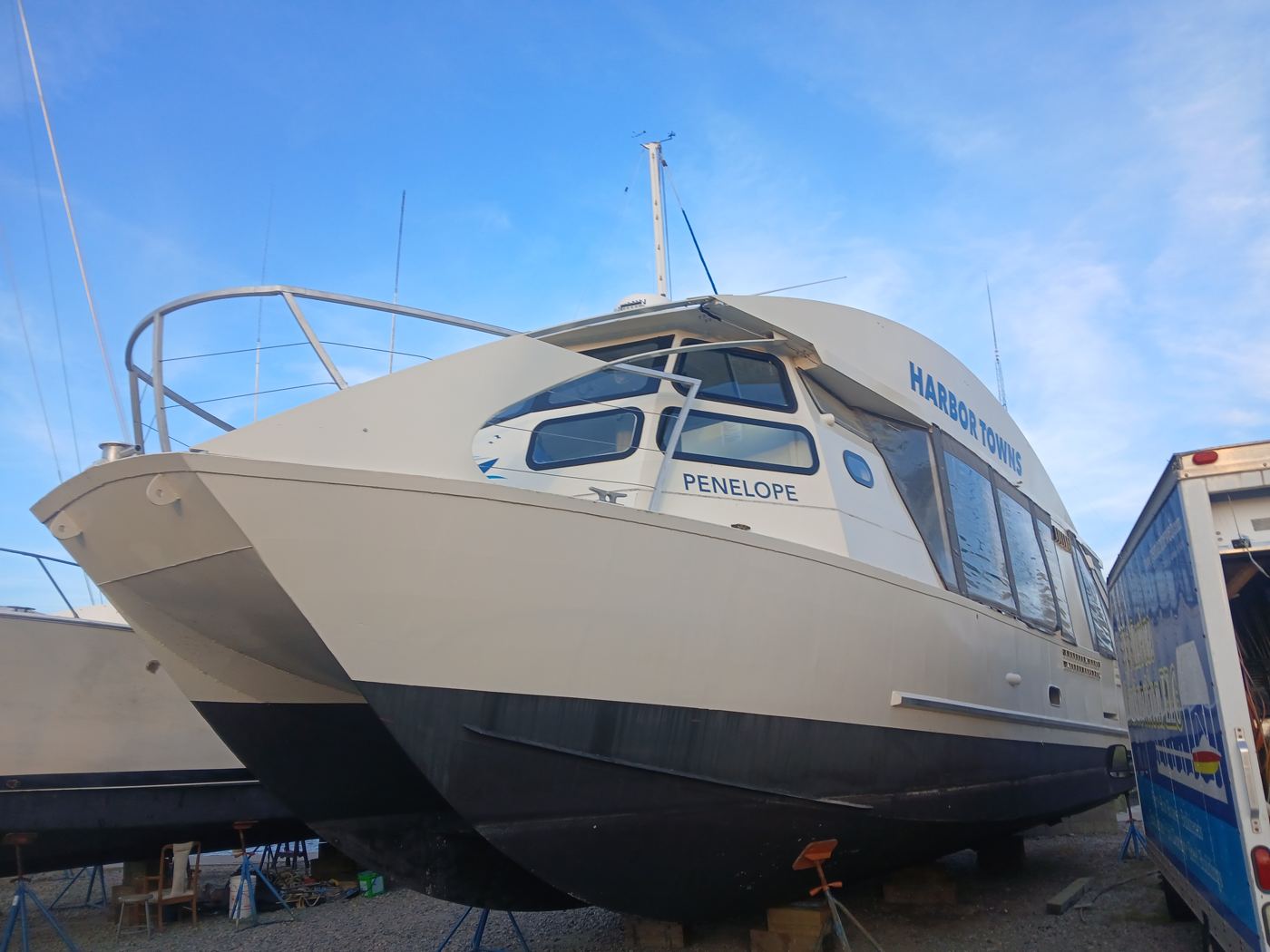
Connecting the Inner and Outer Banks by water has been talked about for decades. Harbor Towns got so close. They did a lot right, most of all raising the capital, which is where most ventures stall. Their work proved the demand is real. What I'd do differently is simple: before locking in a design, research and develop at a smaller, less expensive scale. That's where we optimize, tweak and perfect the engineering, flight control and stability systems, and learn the limits and safety margins on the Sound. And we'll do it together with the U.S. Coast Guard Marine Safety Office (MSO) from the start.
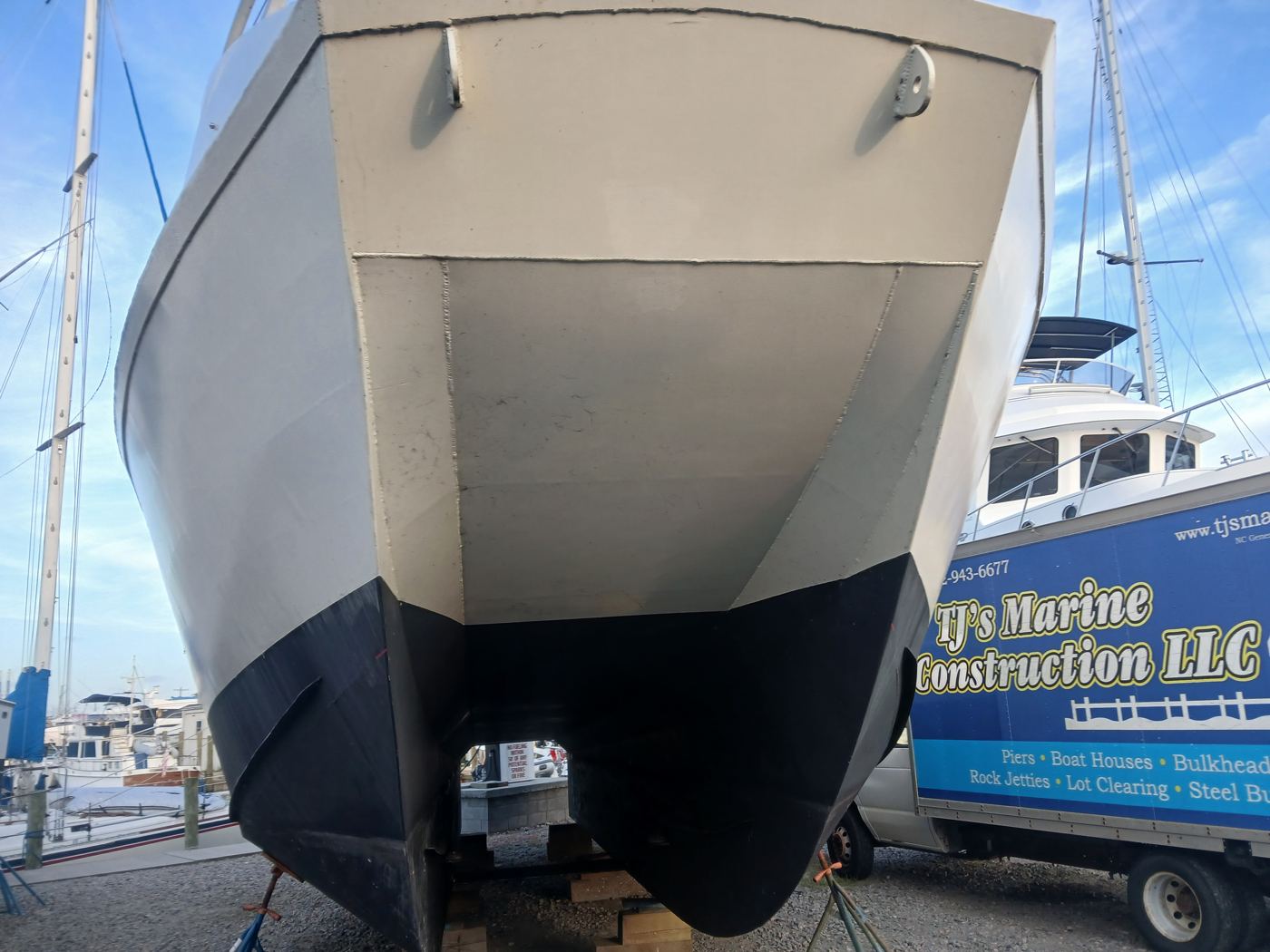
Step one for PamliEcoConnect is a working scale boat on the Pamlico Sound, gathering real data.
Plenty of people say it can't be done. The honest answer is none of us know yet, because there has never been a boat like this on the Sound. Companies like Candela, Artemis, Vessev, and Navier have proven foiling works in the real world, and the videos are worth a look. As a captain who has taken a beating in shallow, windy sounds, the appeal is easy to see. Instead of pounding through a steep 4-foot chop, a foiling boat flies above it.
Photo: Candela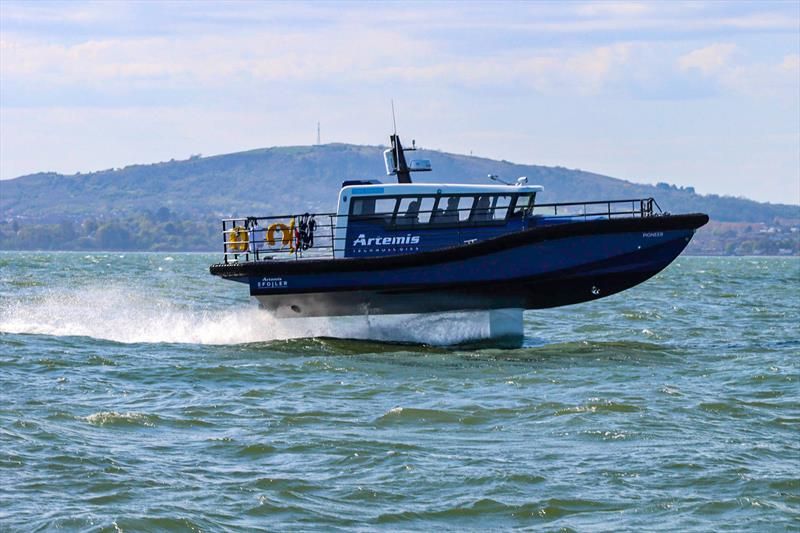 Photo: Artemis Technologies
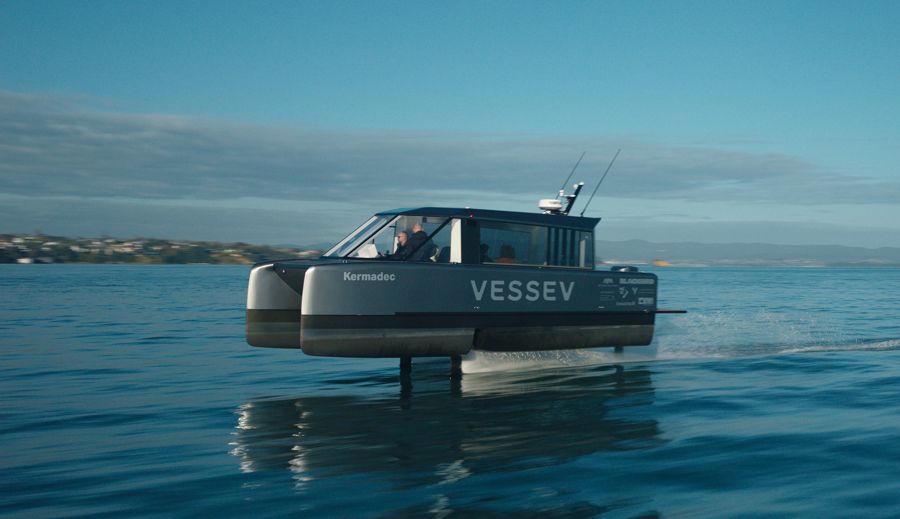 Photo: Vessev
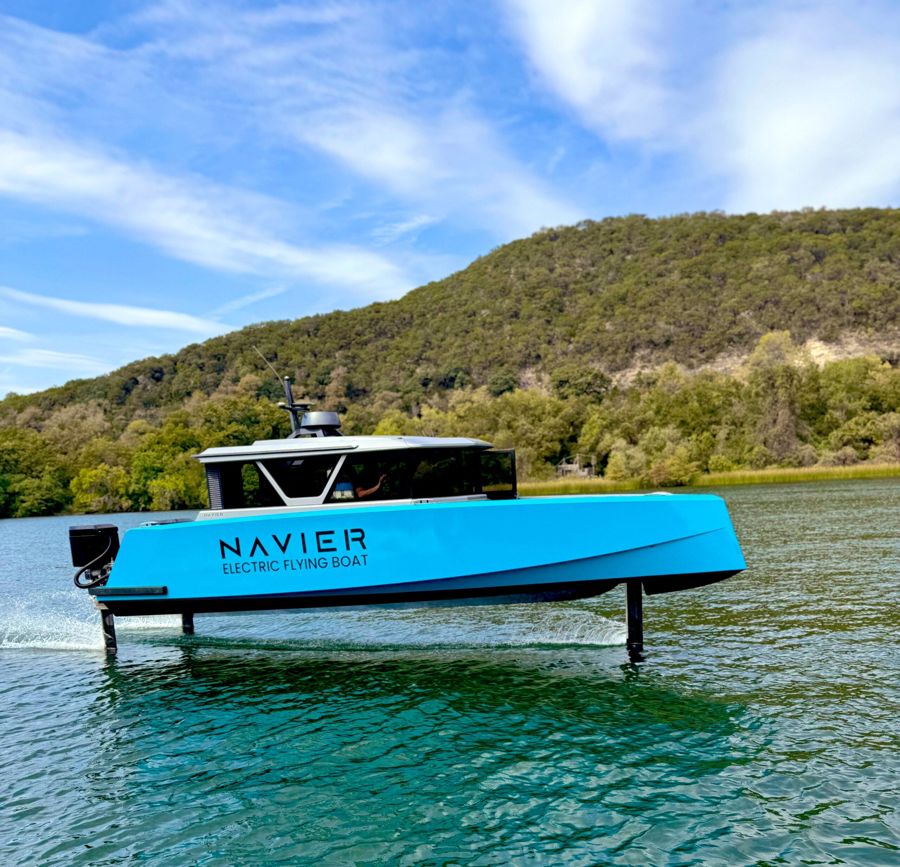 Photo: Navier
Three of the four build overseas.
Most of those boats are foreign built, and U.S. law (the PVSA) requires domestic passenger vessels to be U.S. built. We want to build them right here in Eastern North Carolina. We've already chosen our builder, Jim Gardiner at Compmillennia, one of the most experienced carbon infusion builders in the state, and he's on board to build whatever design our R&D process shows is best.
PamliEcoConnect isn't a foreign conglomerate dropping in with a plan. We're part of the ENC community, on both the Outer Banks and the Inner Banks. I've lived and worked on these waters, and I understand how long people here have needed to use the Sound for transportation. My whole life on boats has led me to try to solve this problem, for North Carolina first and then for other places that face the same challenge.
We'll be open about the process. You'll hear what we learn, what works, and what doesn't, successes and failures alike. Step by step.
Failure only happens when you stop trying. The public investment in Harbor Towns just needs the right boat technology, and it can quickly turn into a success as well.

If you want to stay in the loop as PamliEcoConnect moves from concept to reality, leave your name and email. You'll hear about the milestones as they happen: the test boat on the water, what the sea-trial data shows, route decisions, and ways to get involved.
Community Funding Round participants get additional benefits, from launch-day invitations to reserved seats on R&D trial crossings of the Pamlico Sound. Click here to learn about the additional benefits →
Pre-campaign interest only. No money is being solicited or accepted, and no sales will be made, until our Regulation CF campaign on Wefunder is filed with the SEC. Indications of interest are non-binding.